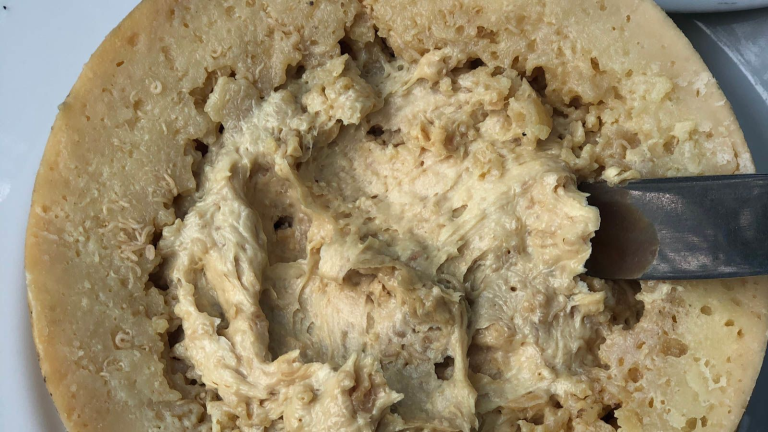
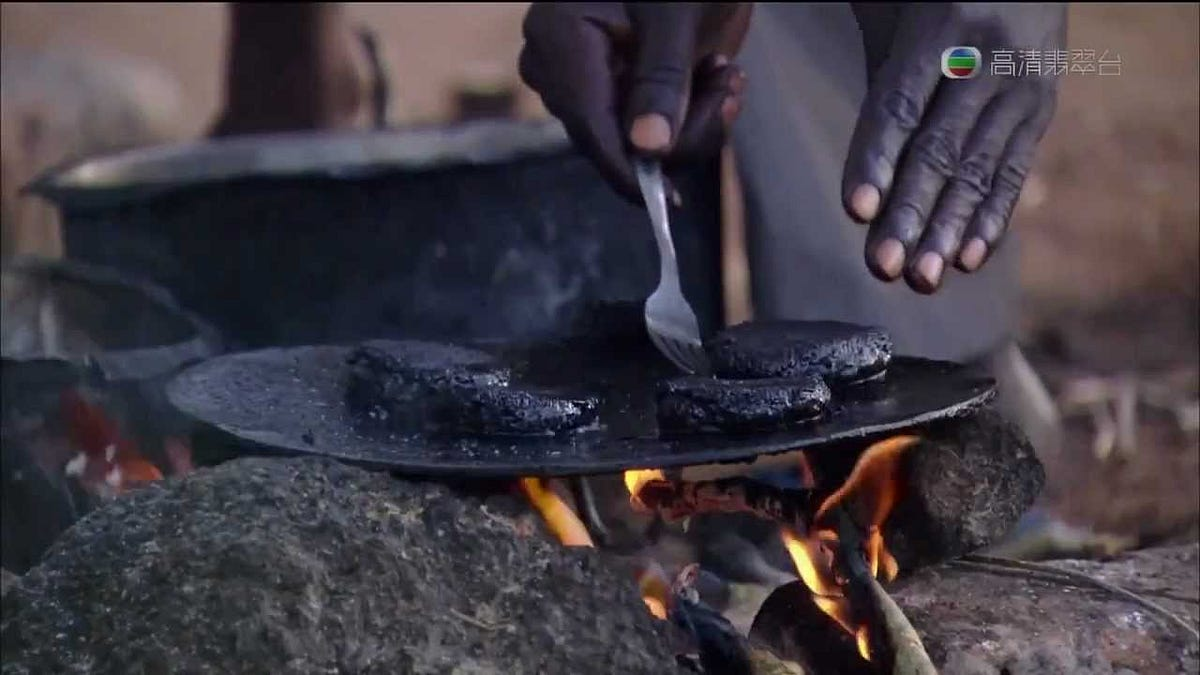
In the African Great Lakes region — particularly near Lake Malawi — communities have long turned swarms of midges into a dense, nourishing food known as Kunga cake. Made by compressing large numbers of the small flies (usually species Chaoborus edulis) into cakes, this unusual food source offers a surprisingly rich supply of protein. What might seem strange to many outsiders is, for locals, a trusted, traditional food born out of necessity — and now increasingly recognized for its sustainability and nutritional value.
Kunga cake’s appeal extends beyond survival: entomologists and sustainability advocates argue that insect-based foods like this could offer a global solution to protein demand without the environmental strain of conventional livestock. The method is efficient — collecting insects in swarms, pressing them into cakes, then drying or cooking — and requires far fewer resources than raising cattle or poultry. For communities around Lake Malawi, it remains a culturally accepted and practical way to meet nutritional needs; historically, explorers like David Livingstone even described its taste as reminiscent of “caviar” when prepared properly.
From an E-E-A-T perspective, Kunga cake exemplifies how traditional food knowledge can meet modern needs. It’s backed by ethnographic observations and entomological studies, proving that eating insects is not only safe but often beneficial in protein and micronutrient content. Moreover, as global food systems search for sustainable alternatives, such indigenous practices may offer scalable models — albeit ones that require adaptation to new cultures and diets. For adventurous eaters, environmental advocates, and food scientists alike, Kunga cake challenges assumptions about what “food” should be — and suggests that the future of sustainable eating might be more surprising than we expect.
About the Author