innovuscollege.com – The magnetic compass, one of humanity’s most transformative inventions, revolutionized navigation and exploration. Its discovery and development span centuries, originating in ancient China and evolving into the precise instrument we know today. Here are key facts about its history and impact.
1. Invented in Ancient China for Divination, Not Navigation
The earliest compass dates back to China’s Han Dynasty (2nd century BC to 1st century AD). Known as the “south-governor” (si nan) or “south-pointing spoon,” it used lodestone (naturally magnetized magnetite) carved into a spoon shape on a bronze plate. Initially, it served for geomancy, fortune-telling, and Feng Shui, not seafaring. Chinese texts from this era describe it aligning with the Earth’s magnetic field.
2. Transition to Navigation in the Song Dynasty
By the Song Dynasty (960–1279 AD), the Chinese adapted the compass for navigation. Floating magnetized needles or iron “fish” in water bowls pointed south. Records from 1119 AD confirm its use on ships, predating European adoption by centuries. This enabled safer voyages during the Age of Exploration.
3. Arrival in Europe and the Islamic World
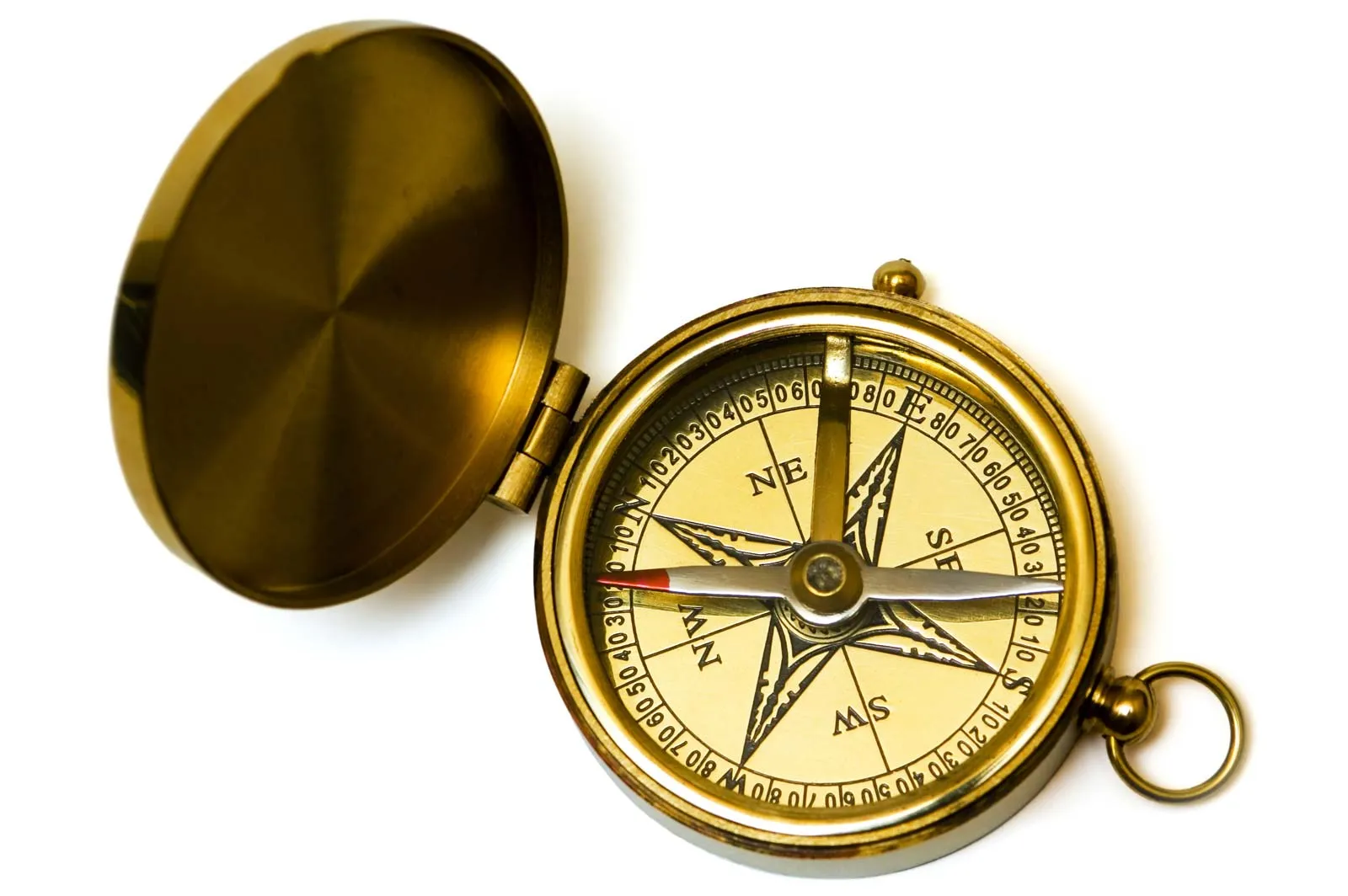
The compass reached the Islamic world by the 13th century, used for astronomy and Qibla direction. In Europe, Italian sailors like Flavio Gioja from Amalfi refined the “dry compass” around 1300, mounting a needle on a card with a rose. It spread rapidly, aiding voyages by Columbus and Vasco da Gama.
4. Key Innovations Over Time
- Floating needle → Early wet compasses.
- Dry pivoting needle → Around 1300.
- Liquid-filled compass → 19th century for stability on ships.
- Gyrocompass → Early 20th century, using gyroscope for true north (not magnetic).
5. Profound Impact on History
The compass enabled the Age of Discovery, global trade, and colonialism. It allowed navigation in fog or overcast skies, replacing reliance on stars. Today, while GPS dominates, magnetic compasses remain essential backups in aviation, maritime, and hiking.
About the Author