Gimmari, Korea’s Crispy Seaweed Roll with a Comforting Crunch
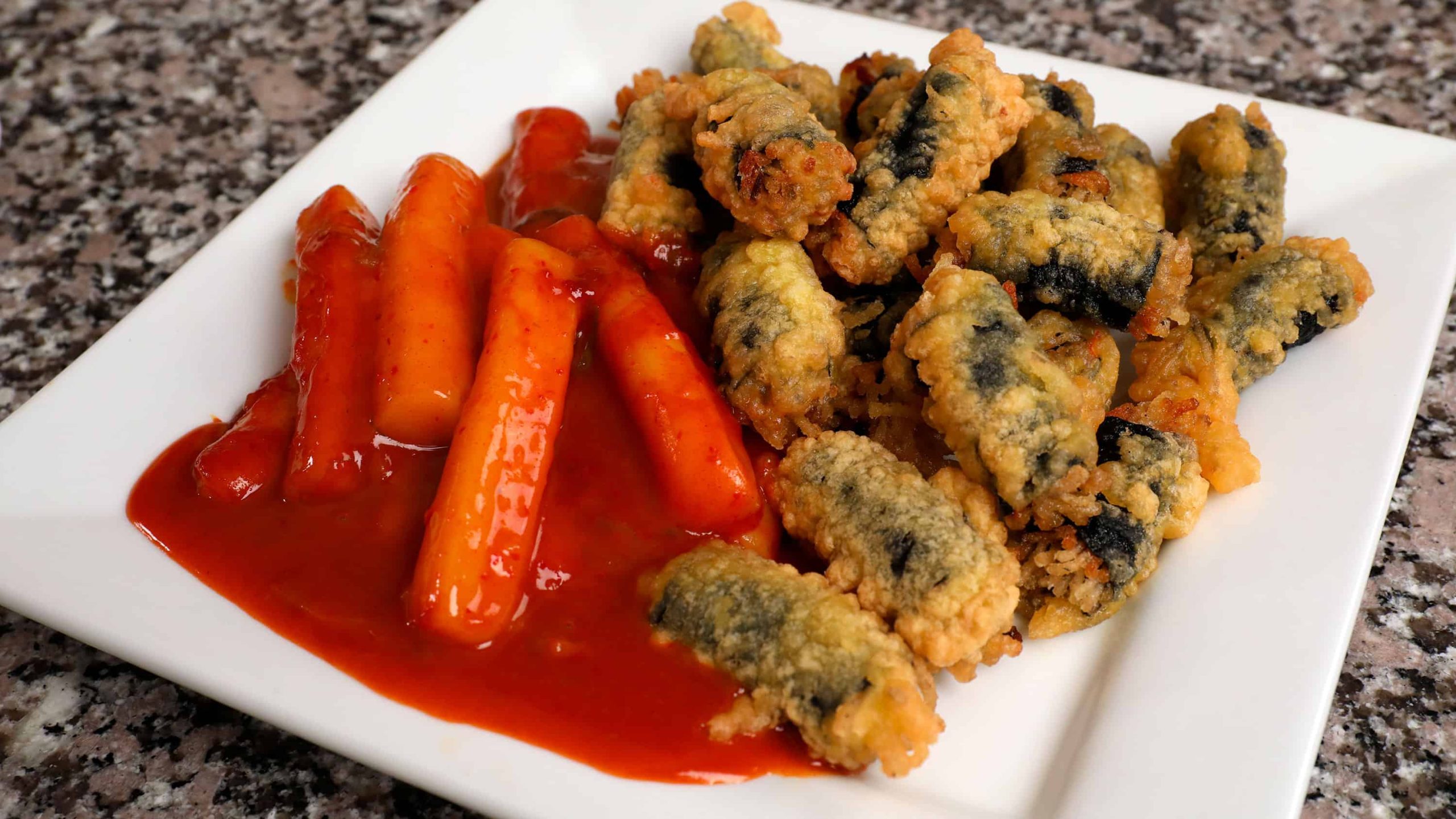
innovuscollege.com – Gimmari is one of Korea’s most beloved street snacks, known for its irresistible crunch and comforting flavor. Often found alongside tteokbokki at street food stalls, gimmari may look simple at first glance, but it holds a special place in Korean food culture. Wrapped in seaweed, filled with glass noodles, and deep-fried to golden perfection, gimmari delivers a satisfying contrast of textures in every bite.
At its core, gimmari is made by rolling seasoned dangmyeon, Korean sweet potato glass noodles, in sheets of dried seaweed. The rolls are then coated in batter and fried until crisp. The result is a snack that is crunchy on the outside while remaining soft and slightly chewy on the inside. Its mild, savory flavor makes it an ideal companion to bold and spicy dishes.
One of the reasons gimmari is so popular is its versatility. While the classic version uses glass noodles as the main filling, variations may include vegetables such as carrots, chives, or onions. Some modern interpretations even add fillings like cheese or seafood, giving the traditional snack a contemporary twist while maintaining its familiar character.
Gimmari is closely associated with Korean street food culture. It is most commonly served as part of a bunsik menu, a category of casual comfort foods enjoyed by students, workers, and families alike. Vendors often serve gimmari in small portions, allowing customers to enjoy it as a quick snack or as part of a larger street food spread.
A defining feature of gimmari is how it is eaten. Many people dip it directly into spicy tteokbokki sauce, allowing the crisp exterior to soak up the rich, gochujang-based flavors. This combination of crunchy fried rolls and fiery rice cake sauce has become iconic, offering a perfect balance between heat and texture.
Beyond its street food appeal, gimmari also carries a sense of nostalgia. For many Koreans, it evokes memories of school days, rainy afternoons, and casual meals shared with friends. Its humble ingredients and straightforward preparation reflect the essence of comfort food—simple, familiar, and deeply satisfying.
In recent years, gimmari has gained attention outside Korea as interest in Korean cuisine continues to grow worldwide. Food enthusiasts appreciate its approachable flavor and unique texture, making it an easy entry point into Korean street food for newcomers.
Gimmari may not be the most elaborate dish in Korean cuisine, but its charm lies in its simplicity. Crispy, warm, and comforting, it represents the everyday joy of Korean food culture. Whether enjoyed on a bustling street corner or recreated at home, gimmari remains a timeless snack that proves great flavor doesn’t need complexity—just balance, tradition, and a perfect crunch.
About the Author