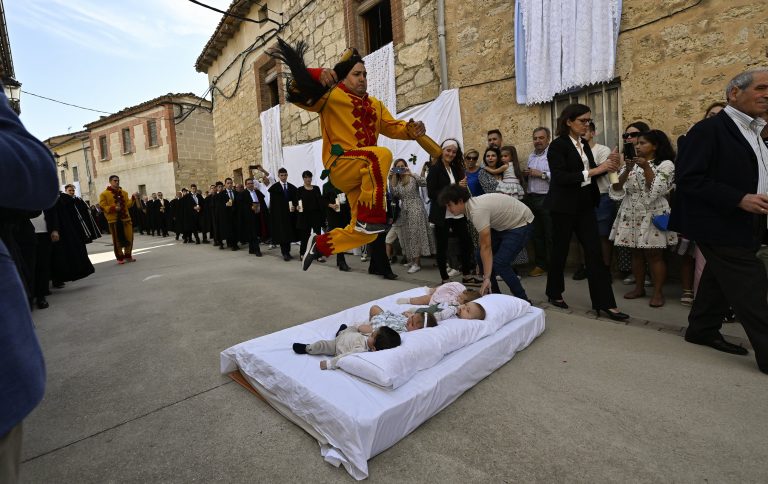
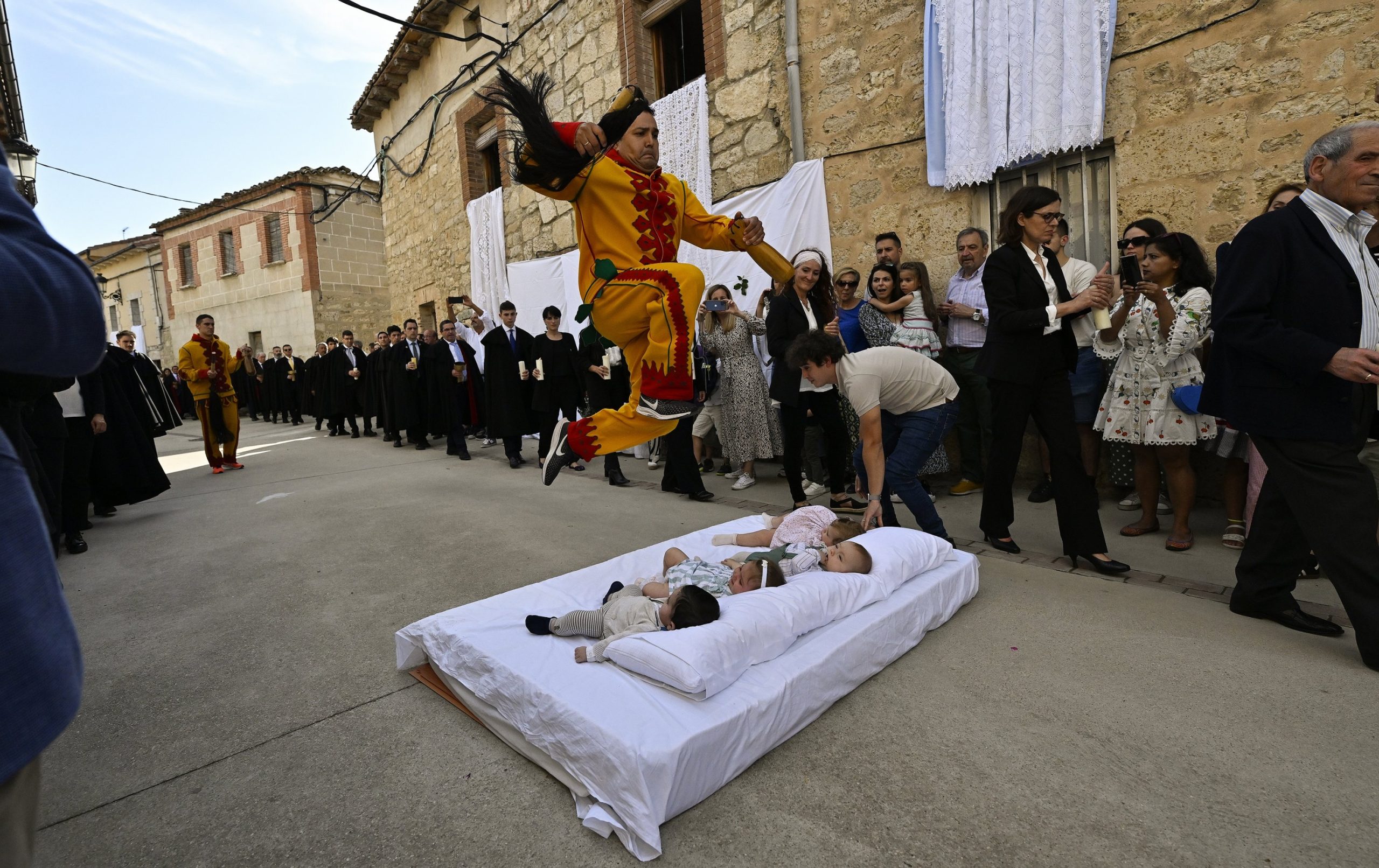
innovuscollege.com – In the small village of Castrillo de Murcia, in the province of Burgos in northern Spain, one of the world’s most bizarre and captivating traditions takes place each year: El Colacho, also known as the Baby Jumping Festival. This centuries-old ritual involves men dressed as devils (known as Colachos) leaping over rows of infants laid on mattresses in the street. While it may sound dangerous or shocking to outsiders, the event has been performed safely since the 17th century with no recorded injuries to the babies. Held annually on the Sunday following Corpus Christi (typically in June), El Colacho symbolizes the cleansing of original sin and protection from evil spirits. It blends Catholic elements with ancient pagan customs, creating a unique spectacle that draws curious visitors from around the globe.
Origins of El Colacho: A Tradition Dating Back Centuries
The festival is believed to have begun in 1620 or 1621, though some sources suggest even earlier roots. It is organized by the Confraternity of the Blessed Sacrament of Minerva, a local religious brotherhood. The central act, “El Salto del Colacho” (The Devil’s Jump), represents the triumph of good over evil: as the “devil” jumps over the babies, he symbolically takes away their original sin, after which a priest blesses them and scatters rose petals as a sign of purity.
The babies participating are those born in the previous year, placed carefully on mattresses in the village streets. The Colacho, dressed in a bright yellow and red suit with a menacing mask, runs through the town whipping the ground before performing the jumps.
The Festival Procession: A Week of Celebration
El Colacho is part of a week-long celebration, but the highlight occurs on Sunday:
- A religious procession carries sacred statues through the village.
- The Colacho “terrorizes” the streets, chased by villagers who insult him to drive away bad luck.
- The main jumping ritual: Babies are lined up on mattresses, and the Colacho leaps over them in sequence.
- Conclusion: A priest blesses the infants and sprinkles rose petals.
The jumps are meticulously planned, with soft mattresses ensuring safety—there are no historical records of any baby being harmed.
Controversy Surrounding El Colacho
Despite its flawless safety record, the festival has faced criticism. In 2011, Pope Benedict XVI reportedly urged Spanish priests to distance themselves from the event, as the Catholic Church teaches that original sin is cleansed only through baptism, not rituals. Outsiders often view it as risky or bizarre, but locals defend it fiercely as a cherished cultural heritage that brings good fortune and community spirit.
The event attracts tourists, but remains primarily a village tradition—many babies come from outside the village due to beliefs in its protective powers.
El Colacho in Modern Times
In 2025, the festival continues with great enthusiasm, though visitor numbers are sometimes limited to preserve its intimate feel. It stands as proof that ancient traditions can endure in the modern world.
El Colacho is a striking example of Spain’s rich tapestry of unusual yet meaningful customs: a blend of faith, folklore, and community. From the “devil’s” leaps to the blessing of infants, the festival symbolizes hope and purification. For those fascinated by unique cultural experiences, it’s a must-see—but from a safe distance!
About the Author